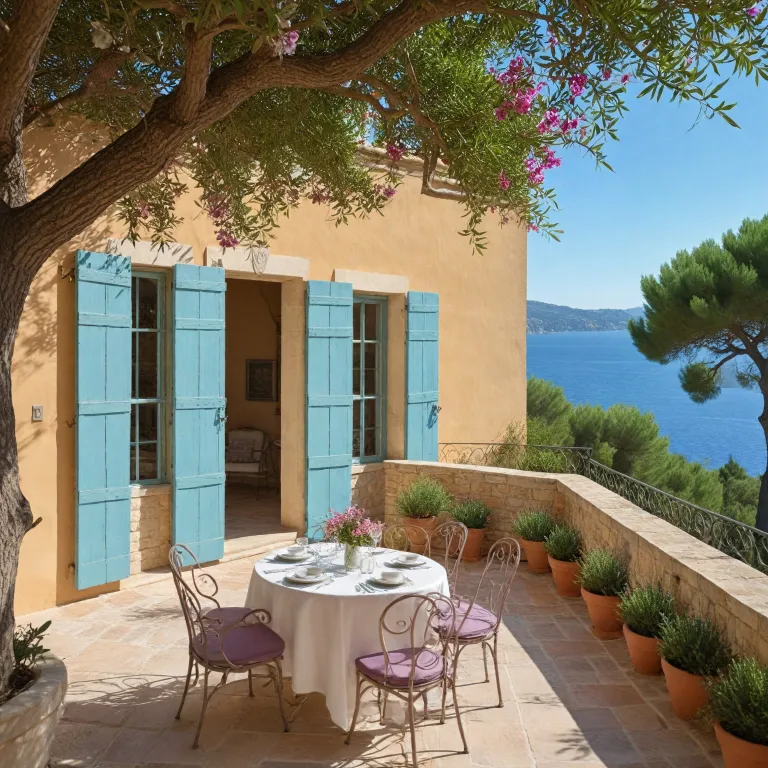
Provence bleue as a state of mind for refined travelers
Provence bleue evokes more than a color palette and postcard views. It connects the elegant streets of Aix-en-Provence with the raw charm of the Côte Bleue coast, creating a coherent playground for discerning guests. For travelers comparing luxury and premium hotel booking websites in Aix-en-Provence, understanding this wider bleue universe helps refine every choice.
The Côte Bleue is a 25 kilometer stretch of coast in Provence, west of Marseille. It is known for its rugged cliffs, pine trees, and small fishing ports that still feel authentically french. When a hotel platform references the blue coast or the broader coast Provence, it should help you link urban comfort in Aix with sea facing escapes along this intimate coast west of the city.
Many premium sites now curate stays that combine Aix-en-Provence with day trips to the Côte Bleue. They highlight access to northern Marseille, the fishing port of Carry le Rouet, and the quiet coves near Ensuès la Redonne. A refined Provence bleue itinerary often balances mornings in Aix’s shaded squares with afternoons by the sea, where the light turns the water a deep bleue blue.
To judge whether a booking website truly understands this coast west of Marseille, look at how it presents geography. Does it clearly explain the train Côte Bleue line, the proximity to the Étang de Berre, and the sequence of ports like Sausset les Pins and Ensuès la Redonne ? A credible platform will map these elements precisely and connect them to concrete hotel options.
From Aix-en-Provence to the Côte Bleue coast: reading location like an expert
Location is the first filter on any luxury or premium booking website. Around Aix-en-Provence, the most interesting stays often sit slightly off center, between vineyards, pine trees, and the blue coast. A Provence bleue perspective means reading maps with both the city and the Côte Bleue in mind.
When a hotel description mentions the coast Provence, check how long it really takes to reach the sea. The Côte Bleue coast runs west Marseille, with stations like L’Estaque, Ensuès la Redonne, Carry le Rouet, and Sausset les Pins linked by the scenic train Côte Bleue. A serious platform will indicate realistic transfer times from Aix to these ports and to the calanque des Figuières or other calanques Côte Bleue.
Pay attention to how the site describes nearby landscapes and walking paths. References to the sentier des Douaniers, the calanque des Anthénors, or pine trees above the sea show a deeper understanding of the Côte Bleue. If a hotel in Aix promotes Provence bleue experiences, it should offer or connect you with guided day trips to the blue coast and to small ports like Sausset les Pins or the village streets of L’Estaque.
Some premium platforms now integrate interactive maps that overlay the Côte Bleue with Aix-en-Provence. Use these tools to compare hotels that pair city stays with easy access to the sea, the Étang de Berre, and the northern Marseille shoreline. The best sites turn the abstract idea of Provence bleue into clear, navigable itineraries that respect your time and expectations.
Curating authentic Côte Bleue experiences from your hotel in Aix
Luxury today is less about marble lobbies and more about meaningful experiences. For Provence bleue travelers, that means connecting a refined room in Aix-en-Provence with authentic moments along the Côte Bleue. A high quality booking website should help you orchestrate these links with precision and transparency.
Look for platforms that highlight partnerships with local actors along the blue coast. Some hotels in Aix collaborate with guides based in Ensuès la Redonne, Carry le Rouet, or Sausset les Pins to arrange private boat trips, sea urchins tastings during winter festivals, or quiet swims in small calanques Côte Bleue. When a site mentions the calanque des Figuières or the sentier des Douaniers, it should specify difficulty levels, required footwear, and approximate walking times.
Food and wine are central to any Provence bleue stay. Serious booking websites increasingly reference organic vineyards such as Domaine de l’Heure Bleue in Gonfaron, within the Côtes de Provence Notre-Dame des Anges area. They may also suggest visits to Distillerie Bleu Provence in Nyons, where organic lavender essential oils and natural cosmetics reflect the same care for terroir that you expect from a luxury hotel.
To deepen your planning, some editorial sections go further into regional lifestyle. For example, guides on culinary innovations on luxury and premium hotel booking websites in Aix-en-Provence can help you align restaurant choices with sea facing excursions. The most trustworthy platforms weave together Aix, the Côte Bleue, and the wider coast Provence so that every day feels coherent and thoughtfully designed.
Evaluating hotel content quality through the lens of Provence bleue
High end travelers rely on online content to make confident decisions. When a booking website claims to specialize in Provence bleue stays, its descriptions, photos, and reviews must reflect the reality of the Côte Bleue and Aix-en-Provence. This is where E-E-A-T principles become a practical evaluation tool.
Credibility starts with precise, verifiable details about the Côte Bleue coast and nearby towns. A reliable site will correctly situate northern Marseille, L’Estaque, Ensuès la Redonne, Carry le Rouet, and Sausset les Pins, and it will not confuse them with larger Riviera resorts. It should also mention that the Côte Bleue is a relatively short 25 kilometer coast west of Marseille, characterized by small ports, pine trees, and rocky coves rather than long sandy beaches.
Expertise appears in how the platform explains seasonal nuances and local customs. References to oursins and sea urchins festivals in Carry le Rouet or Sausset les Pins, advice on wearing sturdy shoes for pebble beaches, and guidance on the train Côte Bleue schedule all signal real familiarity. When a site describes the calanque des Figuières or other calanques Côte Bleue, it should address safety, access, and environmental respect.
Authority and trustworthiness are reinforced by transparent sourcing and consistent language. If a booking website highlights Domaine de l’Heure Bleue or Distillerie Bleu Provence, it should present them accurately as an organic vineyard and a family owned distillery. Cross checking these details with official tourism or producer websites helps ensure that your Provence bleue stay rests on solid, trustworthy information.
Designing a multi day Provence bleue itinerary from Aix-en-Provence
Once you have selected a hotel in Aix-en-Provence, the next step is shaping your days. A Provence bleue itinerary works best when it alternates urban elegance, coastal escapes, and inland discoveries. Premium booking websites that understand this rhythm will often propose sample schedules you can adapt.
One day might focus on the Côte Bleue coast and its ports. You could take the train Côte Bleue from Marseille Saint-Charles, stopping at L’Estaque for a morning by the sea, then continuing to Ensuès la Redonne or Carry le Rouet. In the afternoon, a walk along the sentier des Douaniers near Sausset les Pins or the calanque des Anthénors offers sweeping views of the blue coast and the open sea.
Another day could highlight inland Provence bleue experiences. From Aix, you might visit Domaine de l’Heure Bleue for an organic wine tasting, then continue toward the Étang de Berre or the hills dotted with pine trees. Some hotel concierges and booking platforms can arrange transfers that link these inland stops with an evening seafood dinner back on the Côte Bleue, perhaps in Sausset les Pins or Carry le Rouet.
For a third day, consider a wellness and culture theme anchored in Aix-en-Provence. Morning spa treatments, followed by a visit to Distillerie Bleu Provence or a similar producer of aromatic products, can frame the region’s scents and textures. Returning to your hotel, you end the day with a refined meal that brings together sea inspired dishes, local wines, and the relaxed elegance that defines Provence bleue.
How luxury booking websites can better serve Provence bleue travelers
Despite growing interest in the Côte Bleue and its surroundings, many booking platforms still treat the area as a footnote. For travelers focused on Provence bleue, this creates a gap between expectations and available information. Luxury and premium websites have several opportunities to close that gap and build stronger trust.
First, they can create dedicated Provence bleue sections that link Aix-en-Provence hotels with Côte Bleue experiences. These pages should map the coast west of Marseille, from northern Marseille and L’Estaque to Ensuès la Redonne, Carry le Rouet, and Sausset les Pins. Clear explanations of the train Côte Bleue, local ports, and key spots like the calanque des Figuières or other calanques Côte Bleue would help guests plan confidently.
Second, platforms can enrich content with verified local insights and safety guidance. Including advice such as “Wear appropriate footwear when visiting the Côte Bleue's pebble beaches.” and “Participate in local events like the 'oursinades' sea urchin festivals in Carry-le-Rouet and Sausset-les-Pins.” adds both practicality and authenticity. Highlighting sustainable actors like Domaine de l’Heure Bleue and Distillerie Bleu Provence also aligns with the rising demand for eco conscious stays.
Finally, luxury booking websites can improve filters and search options tailored to Provence bleue travelers. Tags for sea access, proximity to pine trees and coastal paths, partnerships with guides on the blue coast, and curated day trip suggestions from Aix-en-Provence would all enhance usability. By treating the Côte Bleue and its hinterland as a coherent, premium destination, these platforms can better serve guests who seek refined, sea linked experiences in this distinctive corner of France.
Key figures that frame the Provence bleue experience
- Length of the Côte Bleue coastline : 25 kilometers of rugged, intimate coast west of Marseille.
- Area of Domaine de l’Heure Bleue vineyard : 12 hectares dedicated to organic Côtes de Provence wines.
- Establishment of Distillerie Bleu Provence : a family owned distillery working with lavender and aromatic plants since 1939.
Essential questions about Provence bleue and the Côte Bleue
What is the Côte Bleue ?
The Côte Bleue is a 25 kilometer stretch of coastline in Provence, France, known for its rugged beauty, small fishing ports, and coves. For travelers staying in Aix-en-Provence, it represents the closest wild feeling blue coast, easily reached via the train Côte Bleue from Marseille. Its mix of pine trees, rocky inlets, and understated ports like Carry le Rouet and Sausset les Pins makes it ideal for refined yet relaxed day trips.
What products does Distillerie Bleu Provence offer ?
Distillerie Bleu Provence produces organic essential oils from lavender and other aromatic plants, as well as natural cosmetics. These products often appear in spa treatments and amenities within high end hotels across Provence, including some properties marketed through luxury booking websites in Aix-en-Provence. Choosing stays that feature such locally sourced items is one way to align your Provence bleue trip with sustainable, terroir driven values.
Where is Domaine de l’Heure Bleue located ?
Domaine de l’Heure Bleue is located in Gonfaron, Provence, within the Côtes de Provence Notre-Dame des Anges appellation. From Aix-en-Provence, it can be integrated into a Provence bleue itinerary that combines inland wine country with the nearby Côte Bleue coast. Many premium hotel concierges or booking platforms can help arrange tastings there as part of a curated, multi day exploration of the wider coast Provence region.