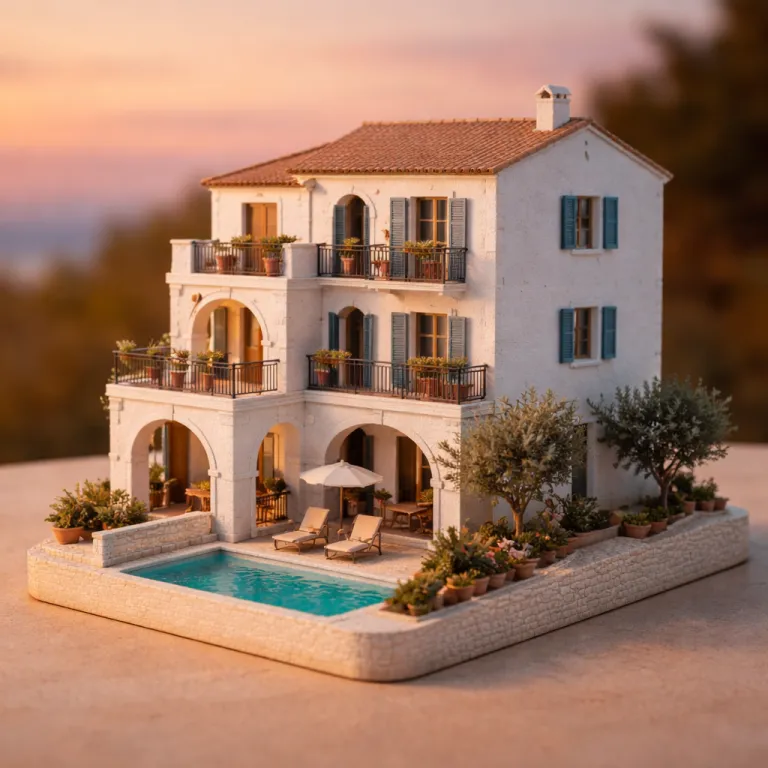
Is the Mediterranean coast of France right for you?
Standing on the Promenade des Anglais at dusk, you understand quickly whether the French Riviera is your place. The light slides across the Baie des Anges, scooters weave past palm trees, and every hotel façade seems to promise its own version of la dolce vita. For travellers based in Aix-en-Provence or flying into Marseille, the Mediterranean coast of France is a natural extension of a Provençal stay, but it suits some profiles better than others.
Those who enjoy structured days – a late breakfast on the terrace, a few hours by the pool, then a slow walk to a beach club – will feel at home. The rhythm is gentle but not sleepy; nights can be lively, especially in the denser stretches of the Côte d’Azur between Cannes and Antibes. If you prefer wild, empty shores and absolute quiet, the more polished parts of the French Riviera may feel curated rather than spontaneous, and you might gravitate instead to the less built-up calanques west of Cassis.
Luxury hotels along the Mediterranean coast of France tend to be destination properties in themselves. You book a stay not only for a room, but for a private beach, a serious spa, or a restaurant with fine dining that keeps you on site from aperitif to digestif. This works beautifully for couples, solo travellers and small groups who want to settle in one place for several nights. For families who plan to explore a different village every day, a simpler hotel base inland can sometimes be more practical.
- Quick checklist: decide first whether you want a resort-style hotel with a private beach club, a boutique property in a historic centre, or a quieter coastal inn with easy parking and simpler facilities.
Choosing your coastline: from Côte Bleue to the French Riviera
Leaving Aix-en-Provence by the A55, the first encounter with the sea is the Côte Bleue. Small ports west of Marseille, pine-fringed coves, and low-rise hotels French in style, often with a modest pool and a relaxed, almost village-like atmosphere. This stretch suits travellers who want the Mediterranean without the full Riviera theatre; you come for swims, coastal walks, and dinners in low-key restaurants rather than for a parade of luxury hotels.
East of Marseille, the coastline tightens and becomes more vertical. Between Cassis and La Ciotat, limestone cliffs drop into intensely blue water, and properties cling to the rock rather than sprawl. Here, a hotel with a terrace overlooking the calanques feels almost like a small château by the sea, with fewer rooms, more privacy, and a strong sense of place. The trade-off is access; beaches are smaller, and you rely more on hotel amenities than on long sandy stretches.
Further east again, once you pass Saint-Raphaël and curve towards Cannes, you enter the classic French Riviera. Names like Saint-Tropez, Cap d’Antibes, and Cap Ferrat signal a different scale of service and spectacle. Hotels here lean into private beaches, beach clubs, and elaborate spas, with restaurants and bars designed for long summer nights. If you are choosing between the Côte Bleue and the Côte d’Azur, the decision is simple: quiet, local and discreet versus polished, international and intensely social.
- Transfer times from Aix: Côte Bleue ports (Carry-le-Rouet, Sausset-les-Pins) around 45–60 minutes by car; Cassis about 50 minutes; Saint-Tropez roughly 2 hours outside peak season; Cannes and Antibes around 2 hours via motorway.
Atmospheres by destination: Nice, Cannes, Antibes, Saint-Tropez
Nice feels like a real city that happens to sit on the sea. Along the Promenade des Anglais, grand hotels line the curve of the bay, some with rooftop pools, others with direct access to a private beach across the road. The atmosphere is urban Mediterranean; you step from your property into a grid of streets where Italianate façades, markets on cours Saleya, and neighbourhood restaurants coexist with serious fine dining, including several Michelin-starred addresses.
Cannes is more cinematic. Around boulevard de la Croisette, palace-style hotels compete in height, marble and chandeliers, and the Carlton Cannes has become shorthand for Riviera glamour. This is where travellers who enjoy a certain formality, a dress code at night, and a strong link to the film world feel most at ease. The beach clubs here are orchestrated affairs, with aligned loungers, attentive service, and a social scene that stretches from late morning rosé to midnight.
Antibes and Cap d’Antibes offer a softer register. Inside the old town walls, narrow streets lead to small restaurants and wine bars, while around Cap d’Antibes, hotels hide behind stone walls and umbrella pines. You come here for privacy and gardens rather than for spectacle. Saint-Tropez, by contrast, is theatre from morning to night; the port, the beach clubs of Pampelonne, the late-night restaurants and bars in the village all cater to travellers who enjoy being part of a scene, even if only for a weekend.
- At a glance: Nice for culture and promenades; Cannes for luxury hotels and designer shopping; Antibes for charm and family-friendly beaches; Saint-Tropez for beach parties, yachts and late-night energy.
What to look for in a Mediterranean hotel
Room categories matter more on the Mediterranean coast than in many inland cities. A standard room at the back of a property can feel almost like a different hotel compared with a sea-view suite with a wide terrace. When you book a stay, pay attention to orientation, floor level, and whether the balcony is deep enough for two chairs and a table; on this coastline, that small private outdoor space often becomes your favourite “room”.
Pools and spas are another key distinction. Some hotels offer a single outdoor pool framed by loungers and a bar, ideal if you plan to spend most of the day on a private beach instead. Others invest heavily in spa facilities – hammams, treatment cabins, sometimes indoor pools – which can transform a cloudy day into a quiet retreat. If wellness is central to your trip, prioritise properties that describe their spa as a core feature rather than a simple amenity.
Dining defines the tone of a stay. On the Riviera, the best hotels tend to host at least one gastronomic restaurant, sometimes with Michelin recognition, alongside a more relaxed beach or poolside option. Decide whether you want to dine in-house most nights or explore nearby restaurants; a hotel in the heart of Nice or Antibes allows you to step out to local bistros, while a more secluded château-style property on a cape will encourage you to stay on site and treat dinner as part of the overall experience.
- Booking tip: when comparing Mediterranean hotels, note check-in and check-out times, parking options, and whether breakfast and sunbeds are included or charged separately.
Beach access, clubs and the reality of “private”
“Private beach” on the Mediterranean coast of France is a phrase that deserves scrutiny. In many resort towns, the sand itself is public, but hotels operate structured beach clubs with reserved loungers, towel service, and a dedicated restaurant. This works beautifully if you like your day organised – sunbed, lunch, a late-afternoon drink – but it also means you are buying into a specific rhythm and soundtrack, often with music and a social atmosphere.
On capes such as Cap Ferrat or Cap d’Antibes, direct sea access can mean rocky platforms with ladders rather than wide sandy bays. The water is clear, the setting dramatic, but it is less suited to small children or those who prefer to stroll into the sea. In these locations, the hotel pool becomes the more practical option for long swims, while the sea is for short, invigorating dips. When you compare properties, look closely at photos of the shoreline rather than relying on generic descriptions.
Further west, towards the quieter stretches of the south of France, you encounter more natural beaches with fewer built structures. Here, a hotel may not control a beach club at all, instead pointing you towards public coves within walking distance. The upside is a more relaxed, local feel; the downside is less guaranteed comfort. Decide whether you want the certainty of a lounger and service or the freedom of simply laying a towel on the sand wherever you find space.
- Family note: for young children, look for gently shelving sandy beaches and lifeguard supervision; for confident swimmers, rocky coves with ladders can be memorable but require water shoes.
How the coast pairs with a stay in Aix-en-Provence
From a base in Aix-en-Provence, the Mediterranean coast becomes a series of deliberate choices rather than a single, linear trip. One day you might drive 35 km south to Marseille’s corniche, where the sea feels raw and close, and the next you could be tasting rosé in a Provençal vineyard near Puyloubier before heading to the calmer shores of the Côte Bleue. This back-and-forth between inland and coast is where the region reveals its full character.
Aix itself offers a different kind of luxury. Townhouse hotels near cours Mirabeau trade sea views for high ceilings, shaded courtyards and proximity to markets on place Richelme. Many travellers choose to split their itinerary: three or four nights in Aix for culture, galleries and restaurants, then a similar stretch on the coast for beach time and late-night terraces. If you enjoy art, the contrast between the light on Mont Sainte-Victoire and the reflections on the Baie des Anges is reason enough to design your trip this way.
Logistically, this pairing works well. Distances are short – often under two hours by car between Aix and the main Riviera towns – which allows you to “night book” in a flexible way, adding an extra night by the sea if the mood takes you. The key is to decide what you want each segment to deliver: in Aix, cafés, museums and a slower, more intellectual rhythm; on the coast, salt on your skin, late dinners in seafront restaurants, and the particular pleasure of waking up to the sound of waves rather than church bells.
- Sample split: 3 nights in Aix-en-Provence, 2 nights on the Côte Bleue, then 3 nights in Nice or Antibes for a classic south of France itinerary.
Who the Mediterranean coast suits best
Couples looking for a mix of romance and activity are the natural audience for the Mediterranean coast of France. A sea-view room, a late breakfast, a day divided between pool and promenade, then a dinner in a restaurant with serious cooking – this is the classic pattern, whether you are in Nice, Antibes or a quieter corner of the Riviera. The coast also works well for solo travellers who enjoy people-watching from café terraces and walking long distances along seafront promenades.
Families need to choose more carefully. Wide, gently shelving beaches and hotels with generous outdoor pools are better for children than rocky capes or narrow strips of sand lined with dense rows of loungers. If you are travelling with teenagers, a livelier town such as Cannes or Saint-Tropez, with its late-night restaurants and bars, can be energising; younger children may be happier in smaller resorts where everything is within a short walk and the evenings end earlier.
For travellers who value discretion above all, the most satisfying stays are often in low-rise properties slightly removed from the busiest centres, perhaps on a hillside above the sea or tucked into a residential quartier. You trade immediate access to a beach club for quieter nights and a more residential feel. In every case, the Mediterranean coast of France rewards clarity of intent: decide whether you want spectacle or calm, ritual or spontaneity, and choose your hotel – and your stretch of shoreline – accordingly.
- Best for: couples and friends seeking sun and dining; culture lovers combining Aix with the coast; confident solo travellers; families who prioritise space, pools and easy beach access.
Is the Mediterranean coast of France a good choice for a first trip?
Yes, the Mediterranean coast of France works very well for a first trip, especially if you combine it with a few days in Aix-en-Provence. The infrastructure is solid, the main towns are easy to navigate, and you can choose between lively centres such as Nice or Cannes and quieter stretches of coastline. For a first visit, base yourself in one or two locations rather than trying to cover the entire Riviera, and focus on properties with clear access to the sea, a reliable pool, and walkable restaurants.
What should I compare before booking a Mediterranean hotel?
Before you book, compare three things carefully: exact location, type of beach access, and room category. A hotel on a busy seafront boulevard offers energy and convenience but less quiet than a property set back in a residential street. Beach access can mean a structured beach club, a rocky platform, or a public bay a short walk away. Within the same hotel, sea-view rooms with a terrace can feel dramatically different from entry-level rooms at the rear, so study floor plans and descriptions rather than relying on generic photos.
Are Mediterranean coastal hotels in France suitable for families?
Many Mediterranean coastal hotels in France can work for families, but suitability varies by location. Resorts with wide sandy beaches and large outdoor pools are generally better for children than rocky capes or narrow urban strands. Towns such as Antibes, with its old town and manageable scale, often feel more relaxed with younger guests than the late-night scene of Saint-Tropez or central Cannes. When in doubt, prioritise space – both in the rooms and around the pool – and easy walking access to the sea.
Do I need a car to enjoy the French Riviera from Aix-en-Provence?
A car gives you the most flexibility when travelling from Aix-en-Provence to the Mediterranean coast, especially if you plan to explore smaller coves or split your time between several towns. That said, major hubs such as Marseille, Nice and Cannes are well connected by train, and once you are in a dense coastal town, you can often move on foot or by local transport. If you dislike driving and parking in busy summer traffic, consider choosing one or two well-connected bases and using public transport for day trips.
How many nights should I plan on the Mediterranean coast?
Three nights is the minimum that makes sense for a coastal segment, giving you one arrival day, one full day by the sea, and one day for exploration. Five to seven nights allow you to settle into a rhythm – alternating pool days, beach club lunches, and short excursions to nearby villages. If you are combining the coast with Aix-en-Provence, a balanced itinerary might be three or four nights inland for culture and markets, followed by four or five nights on the coast for swimming, terraces and late dinners.