The quiet codes of Provençal interiors in luxury hotels
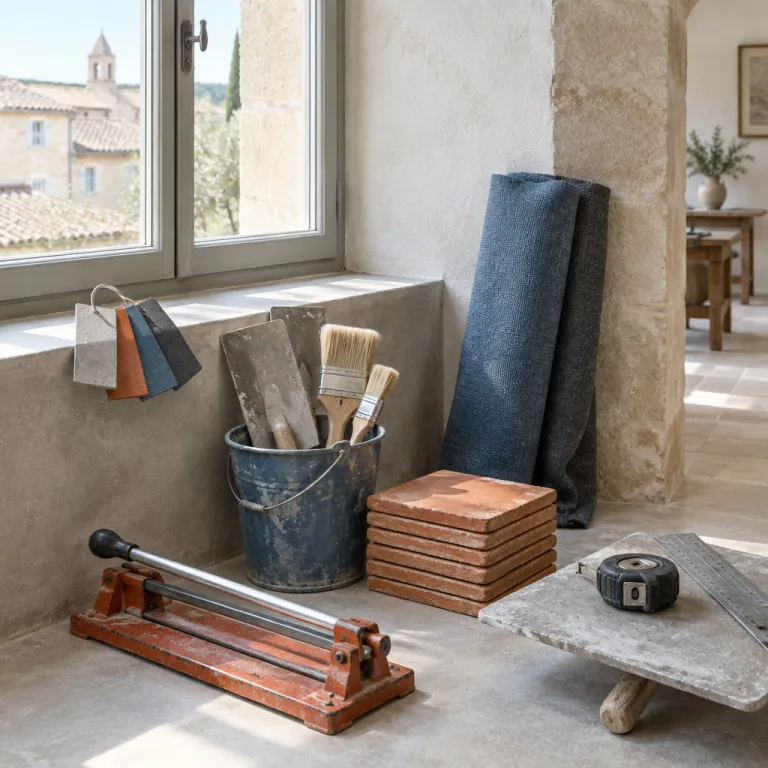
Step into the best provencal interior design hotels around Aix and you feel the region long before you see the view. In a well curated luxury hotel in Provence, the design language starts underfoot with cool tomette terracotta tiles, limestone thresholds and a rhythm of light that is unmistakably south France. The most refined hotels in Provence France use these elements with restraint, letting space, patina and proportion do the work.
In Aix Provence, the grand townhouses turned into design hotels often keep their original escalier d’honneur with wrought iron railings and stone steps worn by centuries of footsteps. That sense of century layered history is what separates a true Provence hotel from a generic Mediterranean property that simply adds lavender sachets and calls it traditional Provençal. The best French hotel addresses in the city understand that authentic Provençal style is about architecture first, accessories second.
Look closely at the shutters of these hotels in Provence and you will notice the palette. Soft grey green, muted Provençal blue and sun faded cream frame windows that open onto sun dappled courtyards or formal gardens, never shouting for attention. This attention to detail continues inside the room, where interior design choices favour limewashed walls, exposed beams and platane or oak furniture that feels classically French without slipping into pastiche.
Materials, light and proportion in Aix’s grand maisons
Luxury provencal interior design hotels in Aix work like quiet lessons in regional architecture. In former aristocratic mansions near Cours Mirabeau, hotel design teams keep the high ceilings and tall windows, then use pale stone and chalky paints to bounce the Provençal light deep into the interiors. The result is a French sense of grandeur softened by the warmth of Provence France rather than the formality of Paris.
In these design hotels, you will often find floors in hexagonal tomettes, their terracotta surfaces slightly uneven after more than one century of use. Designers in south France know that this irregularity is part of the charm, so they resist the temptation to sand everything flat or cover it with wall to wall carpet. Instead, a single kilim or woven jute rug anchors a seating area, allowing the original materials to remain the star of the room and the core of the experience.
Wrought iron appears again and again in authentic Provençal hotel interiors, from balcony railings to headboards and stair balustrades. In a serious design hotel, this metalwork is often crafted by local artisans, echoing the iron crosses and gates you see throughout Provence. When you compare these details across several hotels Provence wide, you start to read a visual vocabulary that links Aix to the wider French Riviera and Luberon, even as each property keeps its own identity.
Textiles, indiennes and the art of restraint
Textiles are where many provencal interior design hotels either succeed brilliantly or lose their way. The most confident French hotel projects in Aix Provence use traditional indiennes de Provence sparingly, often as a single quilt, cushion or curtain panel rather than covering every surface. These cotton prints, inspired by seventeenth century Indian imports and kept alive by houses like Souleiado and Les Olivades, bring cultural depth when handled with care.
In a refined Provence hotel, you might see a bed dressed in crisp white linen with just one runner in a deep ochre and indigo floral, echoing the colours of the surrounding hills. Designers who understand authentic Provençal style balance these patterned fabrics with solid natural linens, hemp and wool, creating interiors that feel both classically French and quietly contemporary. The goal is always to let the architecture and light lead, with textiles adding rhythm rather than noise.
Couples planning travel to Aix often ask whether provencal interiors mean lavender and sunflowers everywhere. The honest answer in the best design hotels is no ; the tourist version piles on motifs, while serious interior design uses negative space, pale walls and carefully chosen fabrics to let you breathe. When you tour several hotels in Provence France, you will notice that the most successful rooms share a calm palette, a few strong patterns and a clear respect for the building’s bones.
How leading Aix hotels interpret Provençal style
Two addresses near Aix illustrate how provencal interior design hotels can translate history into modern comfort. At Le Pigonnet, just outside the city centre, the Garcia design renovation pairs period furniture with contemporary pieces, keeping the hotel’s century old soul while updating the experience for today’s luxury traveller. Public rooms open onto manicured gardens where sun dappled gravel paths, clipped boxwood and stone benches extend the interiors into the landscape.
Further into the countryside, Château de Fonscolombe shows how an eighteenth century estate can become a design hotel without losing its aristocratic character. Here, hotel design choices respect original boiseries, frescoes and parquet, then layer in softer seating, discreet technology and a palette that feels unmistakably Provence rather than generic France. Walking from salon to salon, you read a story of cultural continuity, where traditional Provençal motifs sit comfortably beside contemporary art and photography.
Both properties remind travellers that the most memorable hotels Provence offers are those where every room reflects its setting. You will notice authentic Provençal details such as stone fireplaces, olive wood tables and woven rush chairs, but also a modern understanding of comfort that international guests expect year round. For couples choosing between a city stay in Aix and a countryside retreat in south France, these examples show how regional design language can adapt to very different contexts while staying coherent.
Dining rooms, cuisine and the theatre of Provençal hospitality
In Aix’s luxury hotels, the restaurant is often where provencal interiors and cuisine meet most vividly. A classically French dining room might feature chequerboard stone floors, linen dressed tables and tall windows opening to gardens scented with rosemary and thyme. When the cuisine restaurant focuses on local produce, the interior design usually follows suit, favouring natural materials and a colour palette drawn from Provence rather than from urban France.
Some properties near Aix Provence now host Michelin starred chefs, and their dining rooms become stages for both food and design. You might dine beneath a plaster ceiling rosette, surrounded by contemporary photography of the surrounding vineyards, while plates reinterpret traditional Provençal recipes with refined technique. In these spaces, attention to detail extends from the curve of a chair back to the weight of the cutlery, reinforcing the sense that every element of the experience has been considered.
Breakfast rooms in provencal interior design hotels often open directly onto sun dappled terraces, blurring the line between interiors and exteriors. Terracotta pots, citrus trees and stone fountains echo the wider landscapes of Provence France, reminding you where you are before the first coffee arrives. For couples planning travel focused on food, choosing a French hotel where the cuisine restaurant and the rooms share the same design language can make the stay feel far more coherent.
Antiques, art and what to bring home from Aix
Aix is one of the best places in south France to understand how antiques shape provencal interiors. Around Cours Sextius and along the side streets off Cours Mirabeau, dealers specialise in eighteenth and nineteenth century furniture, ceramics and ironwork that often end up in local design hotels. Spend a morning at the monthly Cours Mirabeau antique market and you will see the same rush seated chairs, olive jars and wrought iron lanterns that give so many Provence hotel interiors their quiet charm.
For travellers staying in provencal interior design hotels, these markets offer a way to decode what you see in your room. A simple olive wood board, a hand thrown jug from Moustiers Sainte Marie or a small piece of hand forged ironwork can bring an authentic Provençal note back to your home without feeling like a cliché. The key is to choose objects that reflect the materials and colours you have actually lived with during your stay, rather than generic souvenirs that could come from anywhere in France.
Art is another thread linking hotels, galleries and the city’s cultural life. Many properties curate photography and painting that reference Mont Sainte Victoire, Cézanne and the surrounding landscapes, creating a dialogue between interiors and territory. If you are planning a trip around exhibitions, the guide to Aix’s defining art season helps align your hotel choice with the city’s cultural calendar, ensuring that what hangs on your room walls resonates with what you see in local museums.
Reading rooms like locals: practical tips for choosing your stay
When you scroll through photography on a booking site, train your eye to read the design language of provencal interior design hotels. Look for evidence of real materials such as stone, terracotta and wood, rather than printed tiles or faux finishes that imitate Provence without its depth. Check whether the room proportions feel generous and whether windows open onto gardens or courtyards, which are central to the way people in Provence France live with light and shade.
Pay attention to how many styles compete in a single room. A coherent French hotel interior in Aix Provence will usually mix no more than two or three strong elements, for example tomettes, limewashed walls and one patterned textile. If you see every Provençal stereotype at once, from lavender bundles to rooster motifs, you are probably looking at a space designed for postcards rather than for long, year round stays.
Finally, read guest reviews with an eye for design details, not just service. Travellers who care about authentic Provençal style often mention the feel of the floors, the quality of the linens and the way the light moves through the space during the day. On stay-in-aix-en-provence.com, we prioritise hotels Provence wide where interior design, cuisine, service and setting align, so that your travel experience feels as considered as the best classically French rooms you will find anywhere in the country.
Key figures shaping luxury hotel design in Provence
- According to Atout France, Provence and the French Riviera together welcome more than 30 million visitors annually, a scale that pushes hotels in Provence to differentiate through strong interior design identities rather than volume alone.
- Data from the Comité Régional du Tourisme Provence-Alpes-Côte d’Azur shows that over 40 % of international visitors cite “local atmosphere and charm” as a primary reason for choosing a hotel in south France, underscoring the importance of authentic Provençal interiors.
- Market analyses from firms such as MKG Consulting indicate that design driven upscale and luxury properties in France have achieved occupancy rates 5–8 percentage points higher than non design focused competitors, suggesting that investment in hotel design directly supports performance.
- Surveys by the European Travel Commission report that more than one third of American travellers to France now prioritise “characterful accommodation” over location alone, a trend that favours provencal interior design hotels in and around Aix.
FAQ about Provençal interior design in Aix hotels
How can I tell if a hotel in Aix has genuine Provençal interiors ?
Look for structural elements such as terracotta tomettes, stone or limewashed walls, tall windows with traditional shutters and simple, well proportioned rooms. Genuine provencal interior design hotels in Aix usually use natural materials and a restrained palette, avoiding heavy themed décor. Reviews that mention light, comfort and materials in detail are another strong indicator.
Are Provençal style hotels only found in the countryside around Aix ?
No, many of the most interesting examples of authentic Provençal interiors are in townhouses and mansions within Aix itself. City based design hotels often combine historic architecture with contemporary comfort, giving you both urban cultural access and regional character. Countryside properties tend to offer more expansive gardens and views, but the design language can be equally strong in both settings.
Do Provençal interiors mean sacrificing modern comfort and technology ?
In well executed Provence hotel projects, traditional materials coexist with discreet modern amenities. You should expect high quality bedding, efficient climate control and well designed bathrooms hidden within historic shells. The best French hotel teams integrate technology quietly so that screens and switches do not dominate the interiors.
What room types work best for a romantic stay focused on design ?
For couples, larger rooms or junior suites with views onto gardens or courtyards usually showcase the interior design most effectively. High ceilings, original floors and generous windows make the Provençal light part of the experience. If possible, choose a room category that includes a seating area, which often features the most characterful furniture and textiles.
Is it worth paying more for a hotel with strong regional design ?
For travellers who value sense of place, investing in provencal interior design hotels can transform a simple trip into a richer cultural experience. You spend many hours in your room and shared spaces, so interiors that reflect Provence France add daily pleasure beyond sightseeing. Over time, many guests find that these design focused stays become the memories that define their travel.