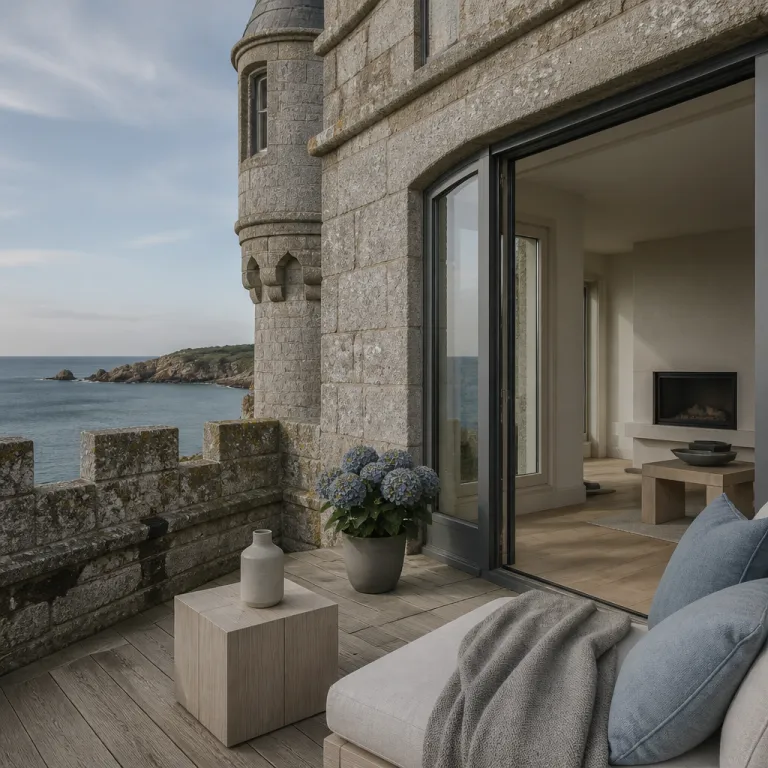
From Aix en Provence to castles in Brittany France
Planning a luxury escape from Aix en Provence to the castles in Brittany France creates a striking contrast between Mediterranean light and Atlantic drama. Travellers who enjoy a premium hotel booking website in Aix en Provence often look north for a second chapter, where every château and castle in Brittany tells a different story of power, sea winds, and stone. This dual centre trip works well for discerning guests who want both Provençal art de vivre and the rugged romance of fortified towns.
When you browse a curated platform, you can filter refined hotels near major castles in Brittany and still keep your first nights in a premium suite in Aix. Many guests start with a few days in a historic manor house near Cours Mirabeau, then continue by train or private transfer to a château located close to the coast or a river valley in France. With careful planning of access and timing, you will enjoy slow travel that respects your schedule and still leaves time for long lunches and cultural visits.
The medieval heritage of Brittany and Normandy, often grouped as the wider Brittany Normandie arc, contrasts beautifully with the Roman roots of Aix en Provence. In Brittany, each century château was built to defend a town, a port, or fertile valley, while in Aix the focus was civic elegance and fountains. Understanding this difference helps you choose whether you prefer a château built in the Middle Ages with massive ramparts, or a gentler manor located among vineyards and olive groves.
Historic château stays in Brittany for guests used to Provençal comfort
Travellers who are used to refined hotels near Aix often ask whether château stays among the castles in Brittany France can match the same standards. The answer is yes when you select carefully, because several historic properties combine authentic stone walls with suites that feel as polished as an urban manor house in Provence. A specialist booking website can highlight which château or castle offers large rooms, reliable Wi Fi, and staff trained for international guests.
Many luxury minded visitors pair a stay in a château in southern France with a second stay further north among the castles Brittany region is famous for. If you have already explored curated châteaux in southern France for a refined stay near Aix en Provence, you will appreciate how different the atmosphere feels once you reach the Atlantic. In Brittany, a château located near a fishing port or on a hill above a town often keeps its original defensive layout, with thick ramparts and towers that frame your breakfast view.
Among the most emblematic properties, the Château de Fougères stands as a vast fortress in Ille et Vilaine, while the Château de Vitré rises above its namesake town with fairy tale silhouettes. Both illustrate how a castle was built century after century to protect trade routes and the interests of the Ducs de Bretagne, the powerful dukes Brittany relied on for security. When you choose a nearby luxury hotel, you can enjoy modern comfort by night and walk through the Middle Ages by day.
Key castles in Brittany France to pair with an Aix en Provence itinerary
For travellers designing a multi stop journey, a clear shortlist of castles in Brittany France helps you balance driving time with meaningful visits. Josselin Castle in Morbihan, built originally in the eleventh century and reshaped later, offers a graceful blend of feudal towers and a Renaissance façade facing the river valley. The Château de Dinan in Côtes d’Armor anchors the town ramparts with a keep that rises above cobbled streets and half timbered houses.
The Château de Fougères in Ille et Vilaine is one of the largest medieval fortresses in Europe, and its walls trace the curve of a rocky spur above the Nançon river. Nearby, the Château de Vitré, often written as Château Vitré in travel guides, shows how a defensive castle could also serve as an administrative centre for the dukes Brittany once followed. On the coast, the Château de Suscinio, sometimes called Château Suscinio, stands in marshland near the ocean and recalls the days when the Ducs de Bretagne hunted in surrounding forests.
Luxury travellers often combine these visits with a day in Saint Malo, the walled port town in Ille et Vilaine that faces the English Channel. From there, the silhouette of Mont Saint Michel rises in the distance, and some itineraries include both the abbey and nearby château stays in Brittany Normandie. After several intense days of heritage visits, many guests appreciate returning to premium suites in Aix en Provence where spa facilities and quiet courtyards offer a softer end to the journey.
Understanding the history behind each château and castle
Knowing when a château was built adds depth to your stay among the castles in Brittany France, especially if you enjoy guided tours and detailed content. Josselin Castle dates back to the early eleventh century, while the Château de Fougères was established in the same broad period and then reinforced after later conflicts. The Château de Dinan rose in the fourteenth century, and the Château de Vitré reached its current form in the fifteenth, each century château reflecting new fortification techniques.
The Château de Suscinio, constructed in the thirteenth century for the Ducs de Bretagne, illustrates how a coastal castle could control both land routes and maritime access. These sites were not only military structures; they also served as administrative centres, symbols of wealth, and sometimes as comfortable manor houses for the regional élite. Over time, many castles Brittany once used for defence became cultural venues hosting exhibitions, concerts, and occasional son et lumière shows that illuminate the stone walls at night.
For travellers who enjoy architecture, it is fascinating to compare the massive ramparts of Fougères with the more elegant lines of certain Loire valley châteaux further south in France. While the Loire castles often emphasise pleasure and gardens, the Breton fortresses speak clearly of the Middle Ages and the need to protect every port and town. This contrast helps you appreciate why each castle was built century after century with different priorities, and why some now feel like romantic retreats while others remain austere.
Practical access, routes, and booking strategies from Aix en Provence
Reaching the castles in Brittany France from Aix en Provence requires a little planning, but the reward is a coherent journey through very different landscapes. Most travellers take a high speed train from Aix or Marseille towards Paris or Rennes, then continue by regional train or private transfer to towns such as Vitré, Fougères, or Saint Malo. As an indication, the TGV from Aix en Provence to Rennes via Paris usually takes around six to seven hours, while a private transfer from Rennes to Fougères is about one hour by road. A good hotel booking website based in Aix can coordinate these steps, ensuring that each château or manor house on your route is located within reasonable driving time of a station.
When you design your itinerary, consider grouping sites by area, such as Côtes d’Armor for Dinan and the northern coast, or Ille et Vilaine for Fougères and Vitré. This approach reduces time spent on the road and leaves more hours for walking along ramparts, exploring old town centres, or enjoying seafood lunches in a port. If you plan a side trip to Mont Saint Michel, remember that the abbey is extremely popular, so booking timed access and nearby accommodation well in advance is essential; official websites and local tourist offices publish current opening hours and ticketing rules.
Guests who enjoy nature often add a detour through the Loire valley on their way back towards Provence, linking Loire châteaux with Breton fortresses in a single elegant arc across France. For those who want to understand regional regulations, especially around protected coastal areas, a resource such as this guide to booking your Calanques day trip from Aix shows how reservation rules can shape your schedule. Applying the same discipline to castle visits, you will secure preferred room categories, private guides, and restaurant tables without stress.
Designing refined château based itineraries for luxury minded travellers
For guests who usually stay in high end hotels in Aix en Provence, the key to enjoying castles in Brittany France is to curate a sequence of properties that match your comfort expectations. Start with one or two nights in a château located near a lively town, such as Vitré or Dinan, where you can walk from your manor house style hotel to cafés and markets. Then move to a more secluded castle in the countryside, perhaps near a valley or forest, where the only sounds at night are wind and distant church bells from a village dedicated to a local saint.
Some itineraries focus on the maritime side of castles Brittany, linking Saint Malo, the Château de Suscinio near the coast, and a stay within reach of Mont Saint Michel. Others emphasise inland strongholds such as the Château de Fougères, the Château de Vitré, and lesser known properties like Château de Trécesson or Château de Kerjean, each a different expression of how a castle was built to control trade and land routes. A simple three night example could include one night in Dinan, one night near Fougères, and a final night close to Saint Malo before returning south. When you alternate coastal and inland stays, you will experience both the salt air of the port towns and the quieter rhythm of rural estates.
Throughout your journey, pay attention to how each property interprets its heritage, from carefully restored stone staircases to contemporary art hung against walls that date from the Middle Ages. Some châteaux host seasonal son et lumière performances that project historical scenes onto façades, while others offer intimate tastings of regional products in vaulted cellars. By the time you return to Aix en Provence, you will have woven together the refined urban pleasures of Provence with the powerful silhouettes of Breton castles, creating a narrative that feels both coherent and deeply personal.
Key figures about castles in Brittany France
- Brittany counts dozens of castles and fortified sites open or visible to visitors, according to widely cited compilations such as Wikipedia, which makes it one of the densest regions for medieval fortifications in France.[1]
- The average age of major castles in Brittany is often estimated at roughly 700 to 900 years based on historical records, meaning many current walls were already standing in the high Middle Ages when trade routes and ducal power were consolidating.[1][2]
- Josselin Castle was first built in the early eleventh century by Guéthénoc, viscount of Porhoët, placing its origins more than three centuries before many famous Loire valley châteaux that focus on Renaissance elegance.[2]
- The Château de Fougères, established in the eleventh century and later expanded, covers a surface area comparable to a small enclosed town within its ramparts, which underlines how these fortresses functioned as compact urban centres rather than simple residences.[3]
- The Château de Dinan’s keep rises about 34 metres above the surrounding town, giving visitors a clear sense of how vertical height and thick stone walls worked together as defensive tools in the Middle Ages.[4]
[1] General overviews of Breton fortifications, such as regional heritage inventories and Wikipedia entries on "List of castles in Brittany". [2] Historical notes from official sites for Josselin Castle and similar monuments. [3] Published visitor information and academic studies on the scale of Fougères fortress. [4] Measurements cited in tourism brochures and guidebooks dedicated to Dinan’s medieval keep. Always check the latest official sources for updated figures.
FAQ about château stays and castles in Brittany France
Are the castles in Brittany open to the public ?
Yes, most major castles in Brittany France are open to the public for visits, with some offering self guided routes and others focusing on guided tours. Opening hours vary by season, and many sites close one day per week or reduce access in winter, so it is essential to check official websites or local tourist offices before planning your day. A luxury hotel concierge in Aix en Provence or Brittany can also confirm times and arrange tickets.
Can you stay overnight in any of the castles ?
Some historic properties in Brittany have been converted into hotels or guesthouses, allowing you to sleep within former ramparts or manor wings. These château stays range from simple charm to full luxury, so using a premium booking website helps you filter by room size, services, and location. In other cases, you will stay in a nearby high end hotel while visiting the castle itself during the day.
Are there guided tours available ?
Guided tours are available at many castles Brittany is known for, including sites such as Fougères, Vitré, Dinan, and Suscinio. These visits provide detailed historical content about how each castle was built, modified over time, and used by the Ducs de Bretagne. For a seamless experience, ask your hotel in Aix en Provence or Brittany to reserve English language tours in advance.
How much walking is involved when visiting these castles ?
Exploring castles in Brittany France usually involves climbing stone staircases, walking along ramparts, and crossing uneven courtyards. Distances inside each site are not huge, but the combination of slopes, steps, and sometimes windy weather can be tiring. Comfortable shoes and layered clothing are recommended, especially if you plan to visit several castles in a single day.
Is it better to rent a car or rely on trains and taxis ?
Both options work well, depending on your travel style and budget. Trains connect major towns such as Rennes, Vitré, and Saint Malo, from which you can use taxis or private drivers to reach nearby castles, while a rental car offers more flexibility for rural sites like Château de Trécesson or Château de Kerjean. Many luxury travellers start with rail from Aix en Provence, then switch to a chauffeur service arranged through their hotel or booking platform for the Breton segment.