Why olive oil tasting near Aix-en-Provence belongs on a luxury itinerary
Olive oil tasting near Aix-en-Provence offers a quieter counterpoint to the region’s headline wine estates. Within the AOP Huile d’olive d’Aix-en-Provence zone, the mosaic of olive trees and vineyards frames a gastronomic route where each traditional moulin still shapes daily life. For business leisure travelers based in a luxury hotel in Aix, a half day devoted to olive oils and a discreet wine tasting can feel more restorative than another boardroom lunch.
The appellation stretches from the Montagne Sainte-Victoire towards the Alpilles, where olive groves share the hillsides with parcels of vines. Here, the word olive is never abstract; it means specific varieties like Aglandau, Salonenque and Grossane, each producing oils with distinct character. Tasting these Provence oils side by side, then comparing them with a glass of local wine, reveals how deeply regional cuisine depends on both oil and wine.
From a luxury hotel in Aix-en-Provence, concierge teams now routinely arrange a private guided tour of a nearby mill, pairing oil tasting with a table at a serious restaurant for lunch. That might mean a morning visit to a stone pressing mill, followed by a reservation at a gastronomic address where the chef builds a menu around the same olive oils. As one maître d’ at a country inn west of Aix likes to say, “We choose the oil first, then the wine.” For executives extending a stay, this kind of tasting near Aix-en-Provence becomes the anchor for a Provençal day that feels both indulgent and quietly educational.
From Aglandau to Grossane: how to taste Provence olive oils like a pro
Serious olive oil tasting near Aix-en-Provence starts with understanding the fruit itself. Aglandau olives give structured, peppery oils, while Salonenque olives tend to yield a milder oil with buttery notes and Grossane olives often bring almond and fresh hay aromas. In the glass, a premium Provence olive oil deserves the same attention you would give to a classified growth during wine tasting.
At mills around Aix and towards Les Baux-de-Provence, hosts guide you through a structured tasting that mirrors a professional session. You warm the glass in your hand, inhale the aromas, then let the oil coat your palate before noting bitterness, fruit and that final peppery kick. Many estates in France now offer a combined guided tour that moves from the olive tree rows to the cuverie, then into a salon where both oils and wines are poured in sequence.
For travelers staying in high end hotels, this is where the experience becomes tailored. A concierge might book a private table where the chef sets out three olive oils from the Vallée des Baux alongside bread, raw vegetables and a precise flight of white wine. It is not the hotel pool, but the market stall where the olive oil merchant insists you taste three before choosing that best prepares you for this level of oil tasting. For those curious about more experimental pairings, a dinner at a property such as the one explored in this piece on Provencal meets Japanese fine dining near Aix shows how chefs now treat olive oils with the same respect as grand cru bottles.
Key moulins near Aix: from stone pressing to contemporary estates
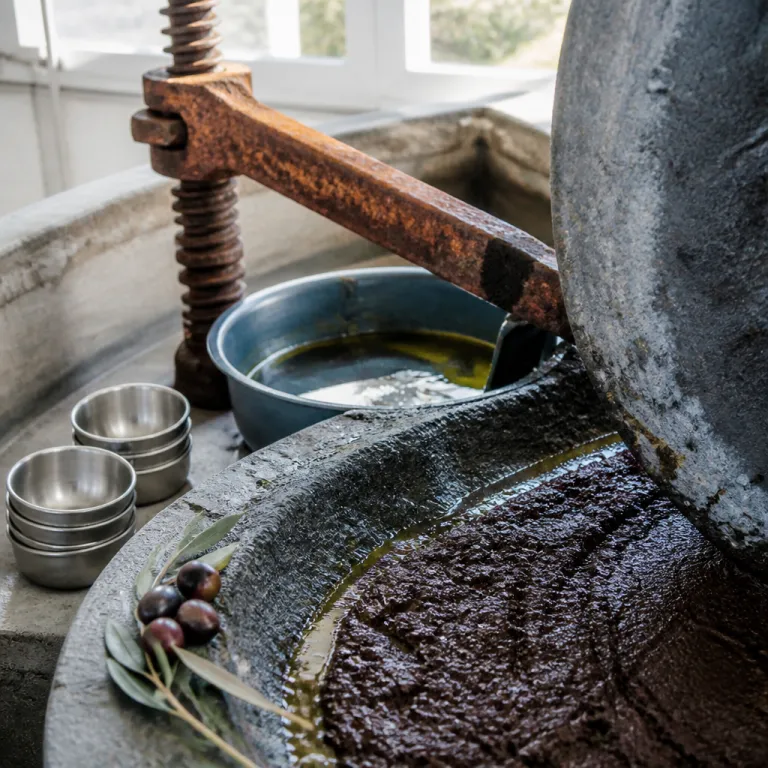
The classic olive oil tasting near Aix-en-Provence often begins at a traditional address such as Moulin Mas des Bories. This olive oil producer, set among olive trees west of Aix in Salon-de-Provence, offers guided tours and tastings of high quality oils that highlight the AOP Huile d’olive d’Aix-en-Provence style. According to the mill’s published information, visits typically run Monday to Saturday, with tastings concentrated in the late morning and mid-afternoon. Here, you walk from the olive groves to the mill, seeing both the old stone moulin and the modern press that now handles most of the harvest.
Le Moulin à Huile d’Éguilles, in the village of Éguilles a short drive from central Aix, provides tours and free tastings of local olive oils in a more village atmosphere. The cooperative’s website notes that the shop usually opens from Tuesday to Saturday, with extended hours during the harvest season. The visit often includes an explanation of how olives from surrounding Provence farms are sorted, crushed and transformed into oils with different profiles. For guests staying in refined countryside properties, this mill pairs well with an afternoon by the pool, the car loaded with tins of oil for the return to the hotel.
Further afield, the Vallée des Baux and the Alpilles concentrate some of the most respected names in France for both wine and oil. Estates near Les Baux and Saint-Rémy, such as Moulin Castelas or Domaine des Jeannons, commonly run a combined guided tour of their olive tree parcels and vineyards, followed by a comparative oil tasting and wine tasting in a stone cellar. Typical opening hours, as listed on estate sites and local tourism pages, run from late morning into the afternoon, with advance reservations required for in-depth visits. If you prefer to base yourself in a private setting rather than a city hotel, consider one of the elegant rentals highlighted in this guide to Provence villas for a refined stay near Aix, then use it as your hub for day trips to moulins and domaines.
Designing a half day olive oil route from your Aix hotel
For the business traveler with only one free morning, a tightly curated olive oil tasting near Aix-en-Provence can still feel expansive. Start from your hotel in Aix, then drive or arrange a car to reach a first mill by 10:30, when many morning tours begin and your palate is freshest. Local tourism offices note that “Morning tours at 10:30 AM. Afternoon sessions upon request.”, so it pays to coordinate with your concierge.
A classic loop might link a visit to Le Moulin à Huile d’Éguilles with a second stop at Moulin Mas des Bories, giving you two contrasting views of the same Provence olive culture. Between mills, a short detour through the countryside reveals how olive trees and vines share the same slopes, with the Alpilles visible on the horizon. Many estates open from Monday to Saturday, though hours vary, so confirm details on the mill’s website or by phone before you set out for your Provençal day.
To extend the experience, ask your hotel to secure a lunch where the chef works closely with specific olive oils from the Vallée des Baux or from producers such as Moulin Castelas or Domaine des Jeannons. A leisurely meal, perhaps followed by a thermal spa session like those outlined in this piece on why every executive trip to Provence should include a thermal afternoon, turns a simple tour into a full reset. For many executives, this balance of sensory focus and unhurried pacing is precisely why they choose olive oil routes over more crowded wine circuits.
From mill to table: bringing the olive oil route back to your hotel
What elevates olive oil tasting near Aix-en-Provence from pleasant outing to serious gastronomic experience is how quickly it translates to the plate. In the city’s better dining rooms, chefs use specific olive oils from the Alpilles, from the Vallée des Baux or from estates near Saint-Rémy to shape dishes as precisely as they choose wines. A peppery Aglandau driven oil might finish a grilled fish, while a softer Salonenque based oil enriches a dessert built around citrus and almonds.
Back at your hotel, the bottles you bought at the mill become a private tasting flight. One evening you might ask room service to send up raw vegetables, bread and a simple cheese plate, then stage your own oil tasting, comparing a fruit forward Provence olive oil from Les Baux with a greener, more assertive oil from an Aix-en-Provence producer. Another night, you could invite colleagues for an informal aperitif, pouring both olive oils and a local white wine, letting the conversation drift from quarterly results to the merits of Clos des Baux or Domaine des Jeannons.
For travelers who return to France regularly, these oils become a way to map memory. The label from a Moulin Castelas bottle recalls a guided tour through olive groves above the Vallée des Baux, while a tin from a small mill near Aix evokes the sound of stones turning in the old moulin. Over time, the olive tree lined roads between Aix, Les Baux and Saint-Rémy form a personal atlas, one that sits quietly beside your more public map of boardrooms and hotel lobbies.
FAQ: planning your olive oil route near Aix-en-Provence
What is the best time of year for an olive oil tour near Aix-en-Provence ?
The most dynamic period for olive oil tasting near Aix-en-Provence runs from late autumn into winter, when the harvest is in full swing and mills operate daily. During these weeks, you can watch olives arrive from the groves, see both traditional stone mills and modern presses in action, and taste freshly pressed oils with intense aromas. Outside harvest season, most moulins still offer visits and tastings, but the focus shifts from production to education and comparative oil tasting.
Do mills near Aix-en-Provence offer guided tours in English ?
Many olive mills around Aix and in the Alpilles provide a guided tour in English, especially those accustomed to hosting international guests from nearby luxury hotels. Staff explain the full process, from the olive tree and the Vallée des Baux terroir to the final classification of oils, often comparing styles from different parts of Provence. When you book, mention your language preference so the mill can assign the right guide for your visit.
Can I combine olive oil tasting with wine tasting in the same day ?
It is entirely feasible to plan a day that includes both olive oil tasting near Aix-en-Provence and a focused wine tasting at a nearby domaine. Many estates in the Alpilles and around Les Baux produce both wine and olive oil, allowing you to explore how the same terroir shapes two different products. For a balanced schedule, start with oils in the morning when your palate is fresh, then move to wines after lunch, keeping the number of stops limited so the experience remains relaxed.
Do I need to book olive oil tastings in advance ?
Advance booking is strongly recommended, especially if you are traveling in a small group or want a private session tailored to a luxury hotel itinerary. Some mills accept walk in visitors for simple tastings, but a reserved guided tour ensures access to production areas and a more structured exploration of different olive oils. Booking ahead also allows you to coordinate timing with restaurant reservations or spa appointments back in Aix.
Can I ship olive oil purchases home from Provence ?
Most larger estates and some village mills can advise on shipping options for olive oil purchases to destinations such as the United States. Regulations vary, but sealed tins and bottles usually travel well in checked luggage if carefully packed, while dedicated shipping services handle larger orders. If you plan to buy significant quantities, ask the mill or your hotel concierge about current shipping solutions and any customs considerations before finalizing your shopping.
Sources
Aix-en-Provence Tourism Office; France Tourism Development Agency (Atout France); Moulin Mas des Bories official site; Le Moulin à Huile d’Éguilles official site; Moulin Castelas official site; Domaine des Jeannons official site.