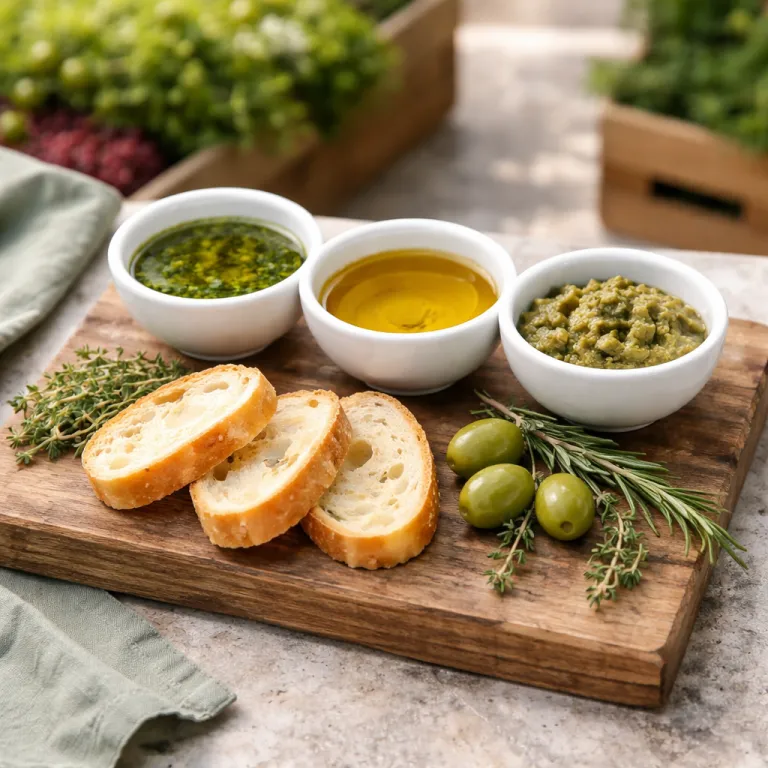
Aix en Provence food culture as the quiet luxury of time
Step off the polished marble of your luxury lobby and walk 300 metres to Place Richelme, and you begin to understand why Aix en Provence food culture is really a philosophy of time. In this compact square in the heart of the city, a cluster of open-air markets rotates through the week, and you will find local producers who treat every conversation about tomatoes, garlic and olive oil as seriously as a sommelier weighs a grand cru. For business travellers used to room service efficiency and fast food between meetings, this Provençal slowness is not a delay; it is the upgrade you did not know you needed.
Aix is a town where the olive oil merchant insists you taste three oils before choosing, and that insistence is the purest expression of Provence food culture. As one long-time vendor on Place Richelme put it, “If you do not have five minutes to taste, you do not have time to eat in Provence.” The interaction — taste, discuss, choose — is the opposite of the swipe, click, deliver rhythm that defines so much modern food, and it is why the best luxury hotels in Aix Provence now build their concierge playbooks around market visits rather than only spa appointments. When you stay in a high-end property near Cours Mirabeau, the most valuable amenity is often not the pool but a concierge who knows which Richelme stall has the sweetest tomatoes–garlic combination this week and which local chef, perhaps at a discreet address like Mickaël Féval or Le Formal, is quietly redefining Provençal cuisine with those same ingredients.
This is not nostalgia for a vanished France; it is a living, year-round culinary culture that, according to the Aix-en-Provence tourism office and Provence-Alpes-Côte d’Azur regional reports, draws several hundred thousand gastronomy-focused visitors to Aix en Provence and the wider Provence region each year. The city’s food markets operate on a daily basis in different squares, with particularly lively gatherings on Tuesdays, Thursdays and Saturdays on and around Place Richelme and Place des Prêcheurs, which means an executive arriving for a board meeting can still slip into the crowd of locals before breakfast. When a luxury hotel understands that rhythm and aligns check-in times, early breakfast service and late checkout around it, the property stops being just a place to sleep and becomes your personal guide to the most grounded form of French cuisine in the south of France.
For travellers comparing properties on a premium booking website, this is the new metric of the best: not only how close the hotel sits to Cours Mirabeau, but how deeply it is plugged into the city’s Provençal food ecosystem. A polished five-star address that cannot secure you a last-minute seat at one of the best restaurants championing Provençale menus, or arrange a private tour of Place Richelme with a local chef, is simply not competing at the right level. The smartest executives now ask one question before confirming a suite: how will your team connect me to real Aix en Provence food culture between my meetings?
From market stall to Michelin table: how terroir shapes your plate
Walk the short axis from Place Richelme to the shaded plane trees of Cours Mirabeau, and you trace the entire arc of Aix en Provence food culture in less than 800 metres. On one end, farmers unload crates of tomatoes, garlic and glossy courgettes; on the other, concierges at grand townhouses quietly secure tables at Michelin-listed restaurants where those same ingredients reappear as precise, contemporary plates. This is where Provence proves that slow, local sourcing is not rustic theatre but the engine of serious French cuisine.
Local chefs in and around Aix work with a discipline that luxury travellers will recognise from high finance or design; menus change with the season, not the trend, and the best restaurants in the city build their identity around specific producers rather than abstract ideas of “Mediterranean” food. Le Mas Bottero, just outside Aix and cited in the Michelin Guide for its commitment to local produce, is a reference point, with a kitchen that treats every drop of olive oil and every white peach as a statement about Provence itself. In the city centre, chefs at addresses such as La Table du Pigonnet or L’Incontournable often name-check their favourite growers on the menu — Domaine de Saint-Ser for vegetables, for example, or a particular goat’s cheese from the Luberon — turning each dish into a map of the surrounding countryside. When you book a refined villa near Aix through a curated collection such as the Provence villas for a refined stay near Aix-en-Provence, you are not only choosing square metres and a pool; you are choosing proximity to this network of producers, markets and dining rooms.
The link between market and table is clearest when you sit down to a plate that looks deceptively simple, like a salade Niçoise built on just-picked beans and sun-warm tomatoes, or a fillet of local fish glossed with a restrained drizzle of white wine and olive oil. In the hands of a chef who understands Provençal cuisine, these dishes become a quiet argument against overcomplication and against the algorithm-driven “must try” lists that flatten so much of global dining. For the executive extending a stay, a long lunch built around Provence food and a glass of mineral white wine from nearby Coteaux d’Aix en Provence can be more restorative than any spa treatment, because it reconnects you to a place rather than to a brand.
Luxury hotels that take this seriously now structure their culinary offerings as a kind of ultimate guide to the region’s terroir, rather than as generic “French restaurant” concepts. Room service menus reference specific markets in Aix, wine lists highlight white wines and reds from Provence and the Côte d’Azur instead of defaulting to Paris-centric labels, and concierges propose private itineraries that move from olive groves to kitchens rather than from outlet malls to beach clubs in Saint Tropez. At properties such as Villa Saint-Ange or Le Pigonnet, for example, concierge teams increasingly collaborate with local chefs to organise chef-led market tours followed by tasting lunches built around that morning’s purchases. When your booking platform foregrounds these details — naming the chefs, the markets, the producers — it respects the intelligence of travellers who understand that the real luxury in south France is not excess, but precision.
Why slowing down at the market makes executives more effective
For the business leisure traveller, the temptation in a compact city like Aix is to compress everything: morning meeting, quick lunch, afternoon call, late train to Paris. That rhythm ignores the real advantage of staying in Aix Provence, where a 45-minute stroll through the markets before your first email can reset your entire day. When you stand at a stall comparing two varieties of tomatoes and garlic with a producer who has been on this square longer than most hotel brands have existed, you are not wasting time; you are sharpening your attention.
Neuroscience aside, there is a practical reason why executives who engage with Aix en Provence food culture often report more productive trips. The act of choosing food slowly — tasting olive oil, smelling bunches of basil, asking which white wine works best with grilled fish — forces you into a single-task focus that most boardrooms never achieve. It is the same discipline you apply when you evaluate a deal or a strategy, only here the stakes are a salade Niçoise and perhaps a slice of tarte Tropézienne from an artisan who treats this airy, cream-filled brioche as seriously as a CFO treats a balance sheet.
High-calibre hotels in the city are beginning to understand this and are redesigning their services accordingly. Instead of offering only generic city tours, they now propose early morning food tours with local chefs, followed by a short cooking class where you turn market produce into a concise Provençal lunch. At several five-star properties in Aix, including long-established addresses near the Rotonde fountain, chef-led visits to Place Richelme now appear on weekly activity schedules, with guests returning to the hotel kitchen to prepare dishes such as tapenade, daube or grilled fish with seasonal vegetables. When you book a suite through a specialist platform and choose a property highlighted in this guide to refined hotel suites in Aix-en-Provence, you are often choosing a hotel that has already built these experiences into its concierge menu.
There is also a strategic dimension for those who manage teams or clients. Inviting a partner to walk the market, taste white wine from a small producer and share a plate of Provençal food at a counter can create a more honest conversation than any formal dinner in a corporate dining room. In that sense, the best restaurants in Aix are sometimes the simplest ones, where a chalkboard menu reflects what was available that morning and where the chef might step out to explain why a particular Provence food product is only on the menu for two weeks. For executives who measure every hour, this kind of grounded, sensory break is not indulgence; it is maintenance.
When you return to your hotel after such a morning, the polished calm of a well-designed suite feels different, because it now frames a real connection to the town outside. Platforms like this curated overview of the best hotel stays in Aix-en-Provence increasingly evaluate properties on how well they facilitate that connection, not only on thread counts and spa menus. The message is clear: in Aix, the most productive thing you can do between meetings might be to stand still at a market stall and taste another spoonful of olive oil.
How luxury hotels should curate authentic culinary experiences
The gap between a stay that brushes past Aix en Provence food culture and one that fully engages with it is almost always the quality of guidance. A premium booking website that simply lists “on site restaurant” and “nearby attractions” is not serving a discerning audience that expects an ultimate guide to both Provençal cuisine and the city’s best addresses. What matters now is how precisely a hotel can choreograph your encounters with local food, from the first espresso on Cours Mirabeau to the last glass of white wine on a terrace overlooking Mont Sainte Victoire.
Serious properties in Aix and the wider Provence region are beginning to act less like isolated hotels and more like curators of a living food tour through the town. They partner with local farmers and artisans so that breakfast buffets feature specific cheeses and charcuterie from the same producers you will find at Place Richelme, and they invite artisans who make calissons — a traditional almond-shaped sweet made of candied fruit and marzipan, recognised as a local speciality and protected by an indication géographique — to host tastings in the lobby. Some go further, offering private tours that link a morning market visit, a mid-day cooking class with a local chef and an evening reservation at one of the best restaurants for contemporary Provençale menus.
For a booking platform positioning itself as the reference for luxury and premium stays in south France, the responsibility is to surface these details clearly and honestly. That means naming the chefs, describing the food tour formats, explaining whether the cooking class focuses on classic Provençal food like daube and tapenade or on lighter, Côte d’Azur inflected plates built around grilled fish and vegetables. It also means being transparent about which hotels simply outsource guests to generic city tours and which have built real relationships with the actors who sustain Aix en Provence food culture day after day.
There is a final, often overlooked dimension: how hotels educate guests about the broader geography of taste in Provence and along the Côte d’Azur. A well-briefed concierge can explain why a day trip to Saint Tropez might be less interesting for food than a drive into the hinterland to visit an olive mill, or why a certain white wine from Cassis pairs better with local seafood than a more famous label from elsewhere in France. When your booking journey highlights these nuances, you are not just choosing a room in a city; you are choosing a position inside a network of markets, restaurants and producers that define what it means to eat thoughtfully in Aix Provence.
Key figures that shape Aix-en-Provence’s culinary landscape
- Aix-en-Provence hosts a network of daily markets across the city, according to the local tourism office, which means travellers can engage with Provençal food culture any day of the week.
- Gastronomy-focused travel brings a substantial share of visitors to Aix-en-Provence and its surroundings each year; regional tourism data for Provence-Alpes-Côte d’Azur indicates that food and wine experiences are now among the top motivations for international stays.
- Markets in Aix operate year round, with the largest gatherings typically falling on Tuesdays, Thursdays and Saturdays, giving business travellers predictable windows to plan market visits around meetings.
- Local tourism data shows a steady rise in farm-to-table and organic produce offerings in restaurants, reflecting a broader shift toward traceable Provence food and seasonal menus.