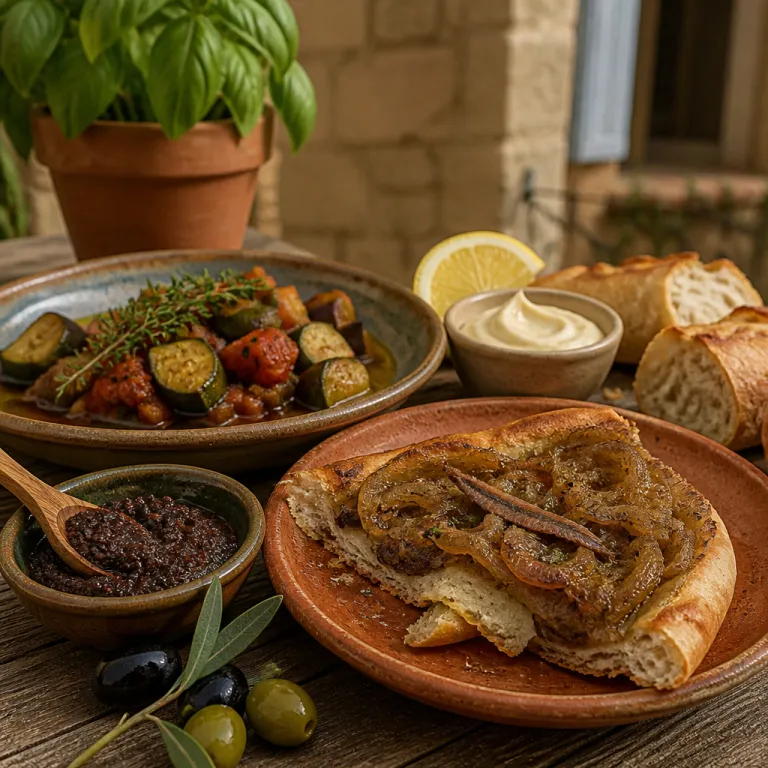
Why provencal cuisine in Aix-en-Provence matters for luxury travelers
Provencal cuisine in Aix-en-Provence dishes is not a side note to your stay ; it is the lens through which the city makes sense. In a luxury or premium hotel, the difference between a pleasant stay and a memorable one often lies in how deeply the property connects you to cuisine Provence traditions, from breakfast croissants brushed with local olive oil to room service built around seasonal provencal dishes. When you choose where to sleep in Aix, you are also choosing how you will taste Provence food, how you will meet producers, and how easily you can walk from your suite to a market stall piled with tomatoes and black olives.
In Aix Provence, serious properties now treat gastronomy as a form of concierge service, curating provencal food experiences that begin at Place Richelme and end with a glass of chilled rosé wine on a shaded terrace. The best addresses understand that couples arriving from the United States want more than generic French food ; they want a narrative that links a soupe au pistou at lunch to the herbes de Provence they smelled that morning in the market, and to the white wine poured at dinner beside a slow cooked daube provençale. When you browse a luxury booking website focused on Aix, look for hotels that talk about food Provence with specificity, naming producers, markets, and signature provencal dishes rather than hiding behind vague references to Mediterranean flavors.
Location matters as much as linen thread count when your goal is to explore provencal cuisine in Aix-en-Provence dishes at street level. A townhouse hotel just off Cours Mirabeau lets you wander to morning markets for fresh fish and ripe tomatoes garlic combinations, then return to a calm lobby where staff can secure a table for pieds et paquets or a traditional salt cod brandade. Out in the countryside, estates near Mont Sainte Victoire may offer private tastings of white and red wine, olive oil workshops, and chef led classes on preparing a classic fish stew such as bourride or bouillabaisse, all of which turn your stay into an immersion in cuisine Provence rather than a simple holiday.
From market to table: where authentic Provençal dishes begin
The most authentic provencal cuisine in Aix-en-Provence dishes usually starts in the markets, not in the hotel kitchen. At Place Richelme, beneath the plane trees, you see the architecture of provencal food laid out in crates of tomatoes, garlic, glossy olives, and bunches of parsley garlic tied with string. Couples staying in central Aix can stroll from their room at dawn, watch chefs selecting red mullet and other fish for the day’s menu, then follow those ingredients to the bistro where they will be served as a fragrant fish stew or grilled whole with black olives and herbes de Provence.
For travelers who care about provenance, this is where a specialist booking site such as Stay in Aix-en-Provence becomes useful, especially when you read its piece on why Aix’s food culture resists shortcuts. Properties highlighted there tend to work with the same market merchants, choosing olive oil from the Vallée des Baux or the Aix-en-Provence AOC, and building menus around seasonal Provence food rather than frozen standbys. When a concierge can tell you which stall sells the sweetest tomatoes garlic mix for your picnic, or which cheesemonger will vacuum seal a wedge of Banon for your flight home, you know you are in the right place.
Many of the classic provencal dishes you will taste in Aix Provence are direct translations of what you see in these markets. Soupe pistou is essentially a bowl of fresh vegetables, white beans, and pasta bound with basil, olive oil, and garlic, while salade niçoise in its most honest form is a composition of tomatoes, salt cod or tuna, black olives, and crisp greens rather than a heavy, over dressed plate. Ask your hotel to arrange a guided market visit followed by a cooking class ; it is one of the most rewarding ways to understand how local food Provence traditions shape what appears on your plate at dinner.
Beyond the clichés: essential Provençal dishes to order in Aix
Once you have moved past the postcard image of ratatouille and tapenade, the real provencal cuisine in Aix-en-Provence dishes begin to appear. Daube provençale, a slow braised beef stew cooked with red or white wine, carrots, and herbes de Provence, is winter comfort in a bowl and a benchmark for any serious kitchen. In the hands of a talented chef, often working inside a luxury hotel dining room, this humble dish becomes a study in texture and depth, especially when served with fresh pasta or creamy polenta and a glass of structured red wine from nearby appellations.
More challenging, but worth seeking out, is pieds et paquets, a Marseille classic of lamb tripe and stuffed parcels simmered in tomatoes garlic sauce until tender, which you may find in traditional tables d’hôte rather than polished hotel restaurants. Anchoïade, a pungent anchovy and garlic dip, arrives with raw seasonal vegetables and shows how cuisine Provence uses salt, oil, and acidity to wake up the palate. Panisse, those golden chickpea fritters, and fougasse, a fragrant flatbread often studded with olives or lardons, are ideal for sharing with a glass of chilled rosé wine on a terrace in Aix Provence after a day of art and galleries.
Some of the most interesting meals now blur the line between traditional provencal dishes and global influences, especially in high end properties. The article on Provençal meets Japanese at Château de la Gaude shows how chefs reinterpret provencal food with techniques borrowed from Tokyo, pairing local fish with white miso or seasoning a soupe pistou inspired broth with kombu. When you browse hotel options, look for menus that respect the backbone of Provence food while allowing for creative detours, because this balance between tradition and innovation is what keeps cuisine Provence alive rather than frozen in nostalgia.
Sweet rituals and the role of wine and olive oil
No exploration of provencal cuisine in Aix-en-Provence dishes is complete without talking about calissons, the city’s emblematic sweet. These almond shaped confections, made from candied melon and ground almonds topped with white royal icing, are more than a souvenir ; calissons are traditionally served at weddings and Christmas, turning them into a ritual of celebration and continuity. Many luxury hotels in Aix now place a small box of calissons on the pillow at turndown, a gesture that quietly links your stay to centuries of local food Provence tradition.
Alongside calissons, you will often encounter tarte tropézienne on dessert menus, a cream filled brioche that originally became famous in Saint Tropez but now appears across the Côte d’Azur and in refined dining rooms in Aix Provence. When prepared with restraint, this tarte Tropezienne style dessert offers a light, citrus scented finish after a rich fish stew or a plate of salt cod brandade, especially when paired with a small glass of sweet white wine. For couples planning a romantic stay, asking the concierge to arrange a private pastry tasting or an in room dessert service can turn a simple evening into a quiet celebration, particularly if it includes both calissons and a seasonal fruit tart.
Underpinning all of this is olive oil, the true backbone of provencal food and of most provencal cuisine in Aix-en-Provence dishes you will encounter. In this part of Provence, olive oil replaces butter in almost every savory preparation, from the parsley garlic mixture spooned over grilled red mullet to the dressing on a classic salade niçoise. When choosing a hotel, pay attention to whether the restaurant specifies its oils by estate or AOC ; those that do usually take wine, both rosé wine and structured reds, just as seriously, offering thoughtful pairings that elevate even a simple dish of tomatoes, black olives, and fresh goat cheese.
Planning your stay: how hotels curate Provençal food experiences
For many couples, the real luxury of engaging with provencal cuisine in Aix-en-Provence dishes lies in not having to plan every detail themselves. High end hotels now act as curators of cuisine Provence, building itineraries that might start with a guided market tour, continue with a cooking class focused on soupe pistou or daube provençale, and end with a sunset tasting of local white wine and rosé wine. When you browse a dedicated booking platform for Aix Provence, look for properties that describe these experiences clearly, rather than simply listing “gastronomic restaurant” as an amenity.
Some hotels extend this culinary curation beyond the city, arranging day trips that connect the table in Aix to the coastline and vineyards that feed it. A well designed itinerary might pair a morning exploring the Calanques and their fishing heritage, booked through services explained in the guide to booking your Calanques day trip from Aix, with an evening tasting menu built around fish, olive oil, and herbes de Provence. In this way, you experience how salt cod, red mullet, and other Mediterranean species travel from the Côte d’Azur to your plate in Aix, often transformed into refined provencal dishes that still respect their maritime roots.
The most thoughtful properties also understand the difference between “Provençal cuisine” as a codified set of recipes and “cuisine in Provence” as a living, evolving practice shaped by immigration, climate, and changing tastes. You might enjoy a traditional salade niçoise at lunch, then sit down to a dinner where a chef uses local tomatoes garlic and olive oil in a dish that owes as much to North Africa or Asia as to classic French technique. When a hotel team can explain these nuances, recommend both popular and lesser known addresses, and secure reservations at small tables d’hôte where provencale cooking is still done by hand, your stay in Aix becomes not just comfortable but genuinely enriching.
FAQ
What are the must try Provençal dishes in Aix for first time visitors ?
First time visitors should seek out daube provençale, soupe pistou, and a well made salade niçoise to understand the backbone of provencal cuisine in Aix-en-Provence dishes. Adding anchoïade with raw vegetables, panisse, and fougasse gives you a sense of how olive oil, garlic, and herbes de Provence shape everyday meals. Finish with calissons and, if you see it on the menu, a slice of tarte Tropezienne style brioche for a sweet taste of Provence.
Which areas of Aix are best for food focused hotel stays ?
For couples who want to walk to markets and bistros, staying near Cours Mirabeau or around Place Richelme keeps you close to the heart of cuisine Provence. These central districts offer easy access to morning markets, wine bars, and restaurants serving both traditional and contemporary provencal dishes. If you prefer vineyard views and estate dining, look to countryside properties near Mont Sainte Victoire, where many hotels integrate tastings of local wine and olive oil into their stays.
How important is olive oil in Provençal cooking compared with butter ?
Olive oil is fundamental to provencal food and far more common than butter in savory cooking across Aix Provence. It forms the base of sauces, marinades, and dressings, from the parsley garlic topping on grilled fish to the vinaigrette on salads and vegetables. Choosing restaurants and hotels that highlight specific olive oil producers is a reliable way to find kitchens that take Provence food seriously.
Can luxury hotels in Aix arrange cooking classes and market tours ?
Many luxury and premium hotels in Aix now offer or can arrange guided market visits followed by hands on cooking classes focused on provencal cuisine in Aix-en-Provence dishes. Typical sessions might include preparing soupe pistou, learning the secrets of a slow cooked fish stew, or assembling a proper salade niçoise using seasonal produce. When booking, ask the concierge in advance about these options so they can coordinate with trusted local chefs and market guides.
Is it easy to find vegetarian options within Provençal cuisine ?
Vegetarian travelers will find plenty of options within cuisine Provence, especially in and around Aix. Dishes built around tomatoes, black olives, courgettes, and eggplant, such as ratatouille, panisse, and vegetable focused soupe pistou, appear on many menus, and salads often highlight fresh goat cheese and seasonal produce. When booking a hotel, mention your preferences so the restaurant team can suggest suitable provencal dishes and nearby addresses that treat vegetables with the same care as fish or meat.